Integrated Circuits (ICs) are the tiny powerhouses at the core of most modern electronic devices. These compact assemblies house hundreds--sometimes millions--of electronic components such as transistors, resistors, and capacitors, all working together to perform complex tasks such as smartphones, computers, and medical equipment to industrial machines that we rely on daily.
Though an integrated circuit's internal components often garner the spotlight, their packaging is equally vital to its function. Packaging protects delicate silicon chips from damage while aiding heat dissipation.
Furthermore, proper packaging allows an IC to communicate with its wider system - without which even advanced ICs would become unusable in real-world applications.
This article will examine different IC packages in depth, exploring their form factors, applications, advantages, and drawbacks. Whether you are an engineer, hobbyist, or buyer of electronic components, knowing enough about IC packaging will enable you to make the right choices for your project or product.
What Is an IC Package?
An integrated circuit (IC) package protects its delicate silicon chip inside while offering a reliable connection point with printed circuit boards (PCBs).
A silicon die containing electronic circuitry inside a package, connected to the outside world through tiny wires or solder bumps. Materials like plastic, ceramic, or metal encase this structure to protect it from moisture, dust, or mechanical damage.
Beyond protection, IC packages play an essential part in electrical connectivity. Their external pins, leads, or solder balls allow an IC to be soldered onto a PCB and connected to other components in a circuit; they also assist with thermal management by helping dissipate heat generated during operation.
Even the most sophisticated integrated circuit would be too fragile and impractical for real-world use without packaging.
Why do IC Packages Differ?
IC packages come in all sorts of forms—and for good reason. The choice often depends on the application requirements, and they consider factors like performance, size, and environmental requirements as they make their choice decision.
Heat dissipation is one of the key considerations. High-power integrated circuits, such as processors or power regulators, generate considerable heat that must be efficiently dissipated away from their chips; metal enclosures or heatsinks often prove beneficial here.
Size constraints also play a critical role. Consumer electronics like smartphones and wearables often require ultra-small packages, such as CSPs (Chip Scale Packages), to save board space; industrial or legacy systems may use larger and more robust solutions like DIPs (Dual In-line Packages).
Other considerations may include the production method (through-hole or surface mount), signal integrity and speed requirements, durability requirements in harsh environments, and pin count layout for complex connectivity requirements.
Each packaging type represents a trade-off that meets the unique demands of its end application.
List of Different IC Package Types
Integrated Circuit (IC) packages come in various forms and sizes to meet different applications and needs. Below is an overview of some of the more prevalent types:
Dual In-line Package (DIP)

The Dual In-line Package (DIP) is one of the oldest IC packages. It features two parallel rows of pins extending perpendicularly from a rectangular housing and is designed to fit into holes on printed circuit boards (PCB).
Pros: These solderless connections are easily handled and solder manually, are compatible with breadboards and socketed PCB designs, and are suitable for manual soldering. Cons: Depending on how intricate or detailed a PCB design is, additional steps may be needed.
Attributes of Surface Mount Packages.
Single In-line Package (SIP)

SIP packages feature one row of pins protruding from one side, making them narrower than DIP-packages.
Applications: Commonly employed in applications where board space is at a premium, such as memory modules or resistor networks.
Pros: Space-efficient design. Simplifies PCB layout by providing only one row of connections.
Cons:
- Limited to applications requiring fewer connections.
- Mechanical stability may be compromised due to having only a single row of pins.
Quad Flat Package (QFP)

QFP packages feature pins on all four sides that protrude outward in a gull-wing pattern for surface mount technology (SMT), making them popular choices when mounting high pin-count ICs.
Applications: These plugs are commonly found in consumer electronics, microcontrollers, and other applications that require medium to high pin counts.
Pros:
- Holds multiple pins within a compact space.
- Ideal for automating assembly processes.
Cons:
- Pins can easily bend and become deformed over time.
- Soldering requires precise soldering techniques, making manual soldering challenging.
Ball Grid Array (BGA)

BGA packages employ an array of solder balls on the underside to form connections to PCBs, providing higher-density connections compared to packages with peripheral leads.
Applications: Commonly found in high-performance applications like CPUs, GPUs, and networking devices.
Pros:
- Allows for high connectivity density within a compact space.
- Improved thermal and electrical performance due to shorter connection paths.
Cons: Connections hidden beneath a package make inspection and rework more challenging, necessitating exact manufacturing processes that increase complexity and cost.
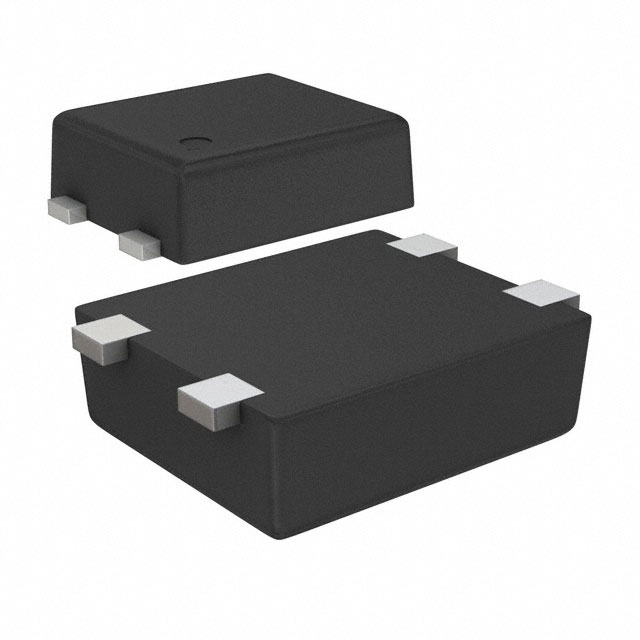
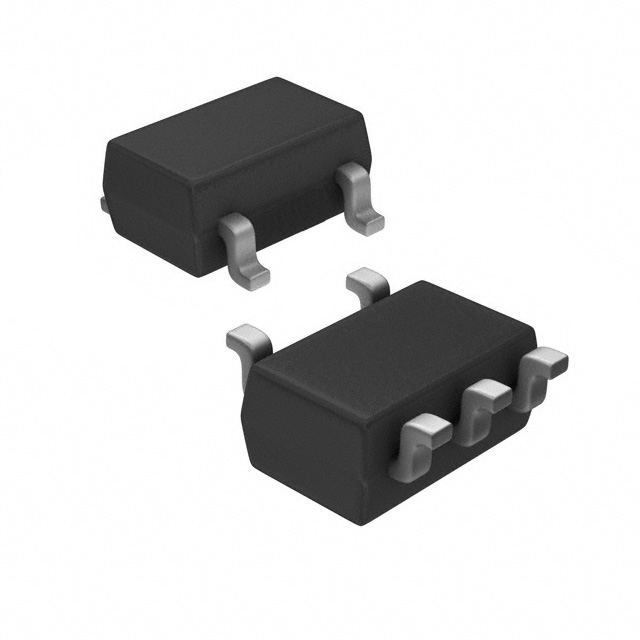
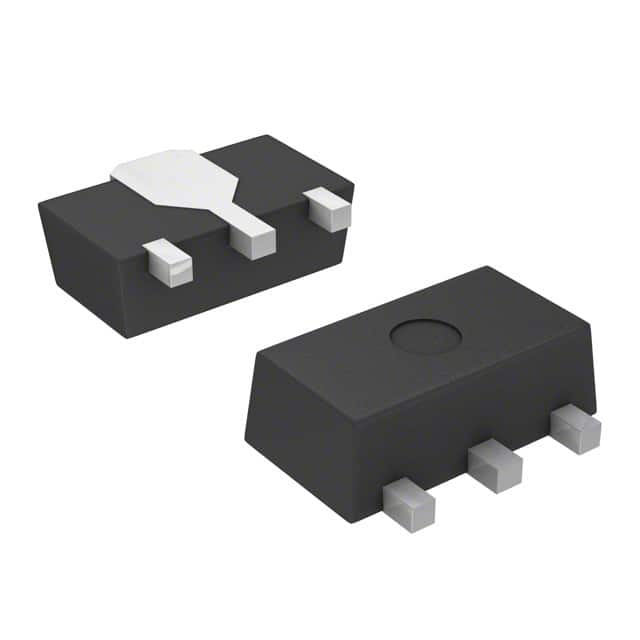
Surface-Mount Device (SMD)

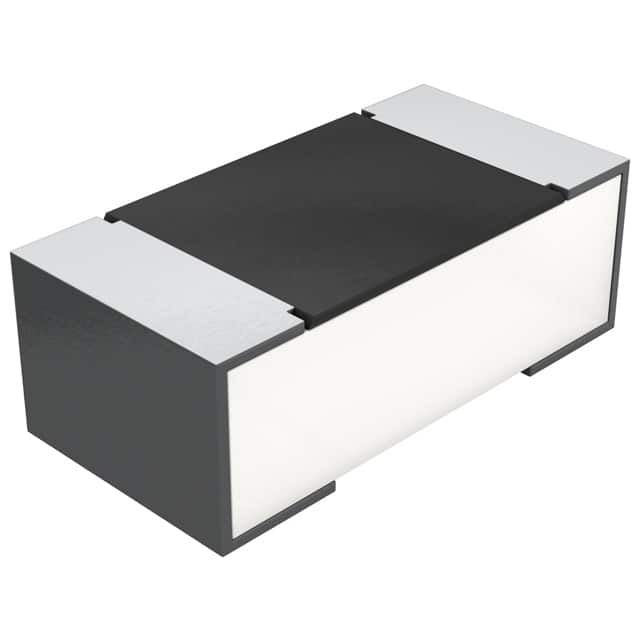
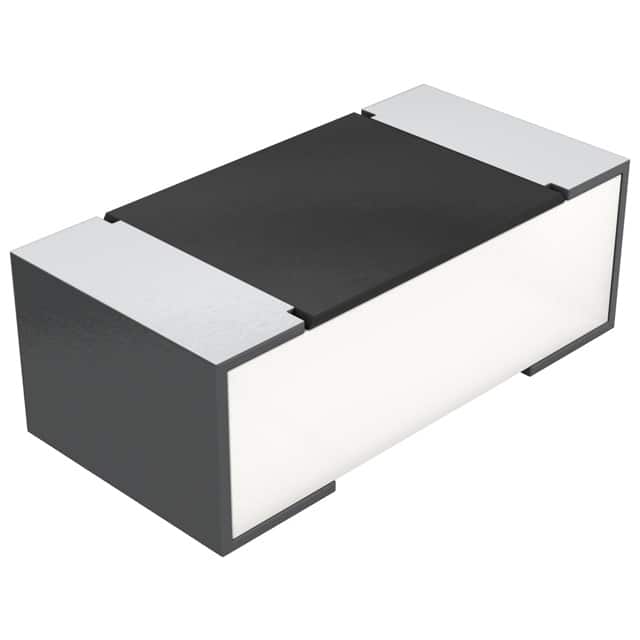
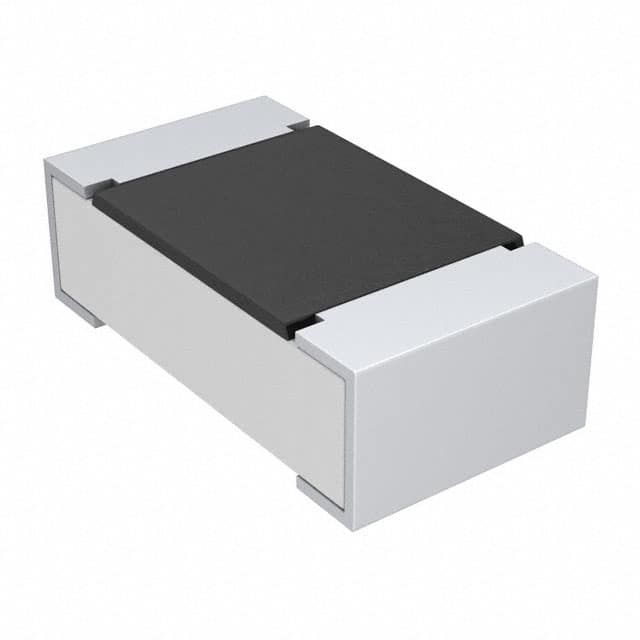
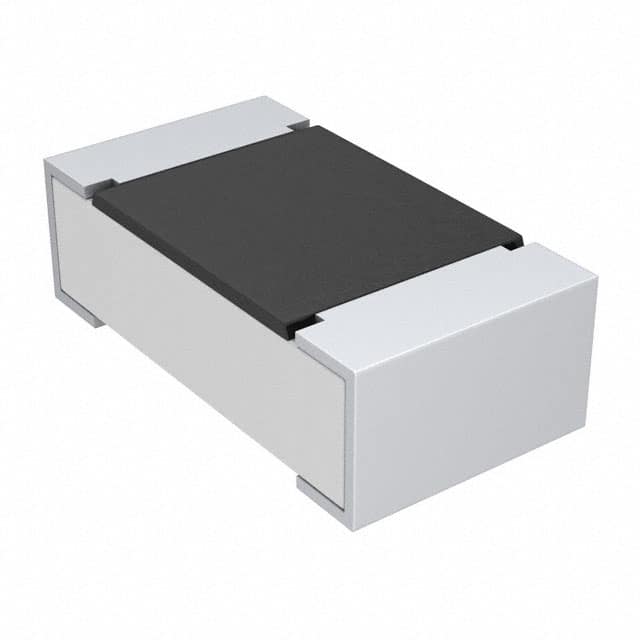
SMD packages are specifically designed to mount directly on PCB surfaces without using through-hole connections, making for a quick installation process without holes or solder balls. They come in many forms, including SOPs (Small Outline Packages) and Small Outline Transistors (SOT).
Applications: Due to their space-saving benefits, microbeads have become ubiquitous in modern electronics such as smartphones, computers, and consumer electronics.
Provides high-density PCB designs. Support automated assembly processes, which helps reduce manufacturing costs.
It won't break when soldering is involved. They won't support high-frequency assembly processes as part of an automated assembly process, reducing manufacturing costs. It let me design a thin PCB. Will break when soldering is involved.
Due to their smaller sizes, smaller boards may prove more challenging for manual soldering and handling, necessitating more sophisticated PCB design and manufacturing processes.
Chip Scale Package (CSP)

CSPs feature one of the smallest form factors available and typically use solder balls similar to BGAs but in a much more constrained space.
Applications: Used in high-density devices like smartphones, tablets, and wearable technology with limited space available, where package size is at a premium. Pros: Sleek package design facilitates highly compact device designs. Outstanding electrical performance due to short connection paths.
Handling and assembly require high precision, adding complexity to manufacturing. Limited space available for heat dissipation is often an issue in high-power applications.
Transistor Outline Package (TO Package)

TO packages are metal can packages originally designed to protect transistors but are now used to house other semiconductor devices as well. Their robust protection and efficient heat dissipation properties make them an invaluable choice.
Applications: Commonly found in power transistors, laser diodes, and optical components where durability and heat dissipation are paramount.
Pros:
- Comprehensive mechanical protection.
- Excellent heat dissipation properties.
Cons: Larger and bulkier than plastic packages; not recommended for high-density PCB layouts.
Multi-Chip Module (MCM)

These MCMs combine multiple ICs and components into a single package for efficient space use. They can be designed in various arrangements, such as side-by-side or stacked die arrangements, to efficiently meet complex functionalities.
Applications: It is used in high-performance computing, telecom, and aerospace applications where consolidating multiple functions into one module is advantageous.
Selecting an IC Package
Selecting the appropriate IC package is key to any electronic design's performance, durability, and manufacturability. From prototyping a device or purchasing components for production runs - here are key factors you should take into consideration:
- Space Restrictions:To accommodate space constraints of mobile phones or wearables, CSP or SMD packages are preferable. In contrast, larger DIP or TO packages may be acceptable in industrial or low-density designs.
- Heat Dissipation: High-power integrated circuits require packages capable of managing thermal load, such as BGA or TO packages with metal cases or heatsinks. Poor thermal management may shorten the IC lifespan or cause malfunctions.
- Pin Count and Complexity: Complex ICs with multiple functions require packages like QFP, BGA, or MCM to accommodate high pin counts and data throughput rates. DIP or SIP packages may suffice for simpler circuits that don't need as many pins for assembly purposes. As for assembly methods, through-hole packages (DIP and SIP) may make assembly and prototyping simpler.
Surface-mount packages (SMD, QFP, BGA) are suitable for automated high-volume production but require advanced soldering and inspection techniques. 5. Environmental Factors
Consider exposure to moisture, vibration and heat when selecting the ideal Package. TO or sealed ceramic options work best in such conditions.
Bonus Tip: Engineers and buyers can leverage component selection checklists to make decisions quickly while reducing errors in evaluation processes.
Download a sample IC package selection checklist to start your evaluation process.
Once You Have Found an Ideal IC Package
After identifying an ideal IC package for your needs, the next step should be locating reliable components from trusted distributors. Finding a supplier who provides authentic components, datasheets, support, and fast shipping should ensure the best experience and product performance for all parties involved.
Mouser Electronics-Provides a Wide Variety of ICs from All Package Types with Real-time Inventory Management and Technical Resources
Arrow Electronics - Professional-grade sourcing and B2B purchasing options.
Chipmall.com-A global distributor for electronic components offering extensive stock, competitive pricing, and a user-friendly platform for engineers and buyers alike.
FindChips - Perfect for comparing prices/availability across global markets.
No matter if you are purchasing in bulk for manufacturing or procuring for a small project, always look for sellers with transparent specifications, support plans, and warranty policies.
Conclusion
Understanding the various IC packages is vital to making informed decisions in electronics design, manufacturing, and sourcing. Ranging from space-saving CSPs for mobile phones to thermally efficient TO packages used in power applications, each type serves a distinct function depending on the purpose of your project.
As you consider different options, remember to consider key considerations like size, heat dissipation, pin count, and assembly method. It is also important to ensure quality and reliability when choosing to source components from electronic components distributors.
Staying abreast of electronic design and components can be challenging. To stay ahead, bookmark this guide or subscribe to our updates. Staying abreast of this rapidly evolving field is key, whether you're a hobbyist or a professional. Understanding IC packaging will enhance your builds while simplifying sourcing processes.