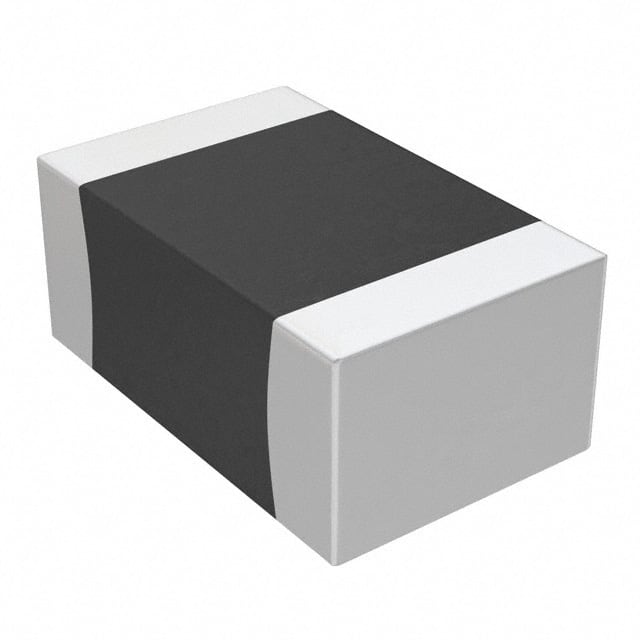
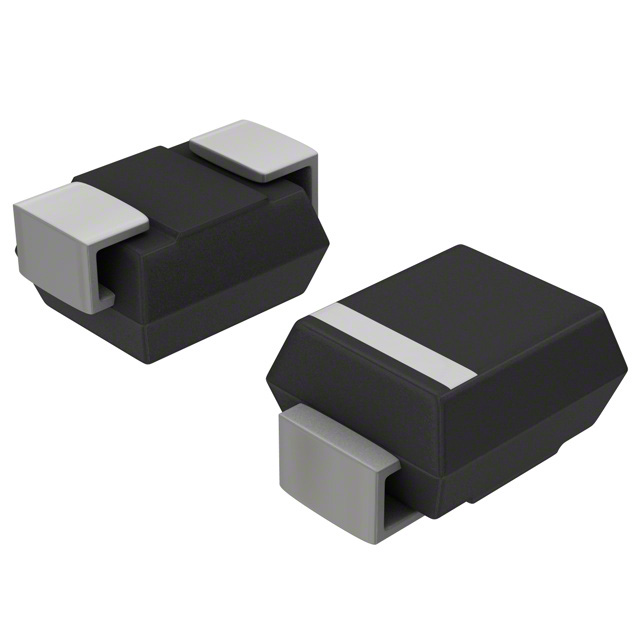
Every electronic device needs components to control electrical flow, and resistors are one of the most important. Among the many types available, thick filmand thin film resistorsare two of the most commonly used. They might look alike, but how they’re built and how they perform are quite different.
Understanding the difference can help you choose the right one for your project—whether you're fixing a gadget, designing a circuit, or just curious about how electronics work.
Understanding Thick Film Resistors
Thick film resistors are made by placing a special paste onto a ceramic surface. That paste is a combination of metal oxides and glass. After it’s printed, the material is heated until it hardens into a durable layer.
The thickness of that layer is around 100 micrometers, which is considered quite large by electronics standards. These parts aren't designed for pinpoint accuracy, but they’re strong and affordable. Because they tolerate higher temperatures and voltage spikes, they’re often used in products that don’t need fine-tuned control.
How Thin Film Resistors Are Built
Thin film resistors follow a more advanced process. Instead of a thick coating, they use an extremely thin metallic layer—about 0.1 micrometer—applied to a solid base using vacuum technology. After that, the resistance value is adjusted using precision tools like lasers or photo-etching.
This process results in resistors that are very consistent, making them perfect for circuits that demand tight control and reliability over time. They produce less electrical noise and are more stable when temperatures change.
also read: 5 Key Differences between Fixed and Variable Resistors
Representative Models and Electrical Characteristics
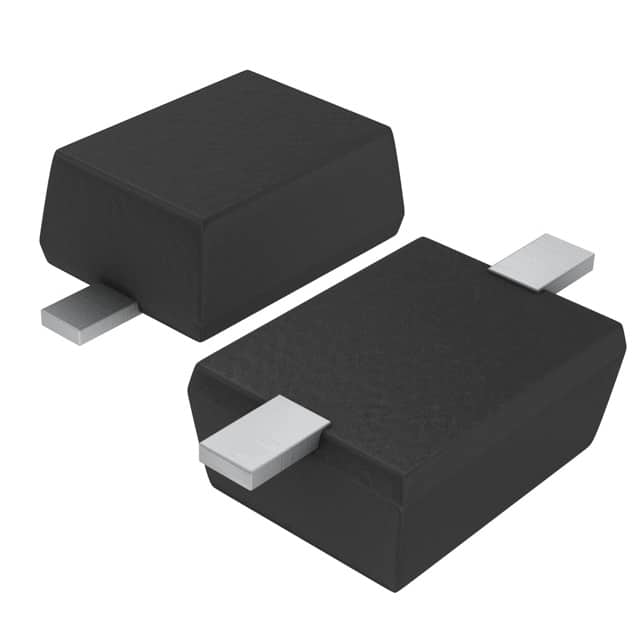
Thick Film: Yageo RC0805JR-070RL

- Resistance: 0 Ω to 10MΩ
- Accuracy: ±5%
- Temperature Drift: ±200 ppm/°C
- Max Voltage: 150V
- Ideal For: Low-cost consumer products
Thin Film: Vishay TNPW0805Thin Film
- Resistance: 10Ω to 1MΩ
- Accuracy: ±0.1%
- Temperature Drift: ±15 ppm/°C
- Max Voltage: 200V
- Common In: Precision-grade equipment
Best Uses for Each Resistor Type
No one resistor fits all jobs. Choosing the right one depends on what matters most: cost, accuracy, durability, or stability.
Thick Film
- Useful when budget is tight
- Better for circuits that deal with power surges
- Works fine in devices where tiny variations don’t cause problems
Thin Film
- Suitable for applications needing exact resistance
- Performs better when temperature changes could affect performance
- A smart pick for audio, medical, or lab-grade electronics
Clear Differences Between Thick and Thin Film Resistors
| Specification | Thick Film | Thin Film |
|---|---|---|
| Layer Thickness | About 100 µm | Close to 0.1 µm |
| Manufacturing Process | Printed paste, fired at high heat | Vacuum-applied metal, then trimmed |
| Precision Level | Medium | High |
| Temperature Behavior | Less stable | Very stable |
| Electrical Noise | More noticeable | Low |
| Pricing | Budget-friendly | More expensive |
| Role in Electronics | General use | Specialized circuits |
Myths and Misunderstandings
It’s easy to assume all resistors are basically the same. That’s not true. Here are a few common mistakes people make:
- Price equals quality:Higher cost doesn’t always mean better for your use. Thin film may be too much for simple jobs.
- Looks tell the full story:Two resistors might look identical but behave very differently.
- Power rating means precision:Power handling and resistance accuracy are separate specs. One doesn’t guarantee the other.
- Tolerance is the only factor:While tolerance matters, long-term drift and noise can be just as important depending on the application.
Conclusion
Picking between thick and thin film resistors isn’t just about specs—it’s about purpose. Thick filmparts are tough, cost-effective, and great for everyday products. Thin filmresistors shine when precision, stability, and performance are top priorities.
By understanding how these two types differ, you can make better choices in your designs, whether you're building something simple or working on a project that demands high accuracy.