When you plug in a device or turn on a light, it is easy to forget the importance of circuit protection. Unfortunately, electrical circuits can be susceptible to problems like overcurrent and overload that could harm devices or cause fires. Therefore, circuit protection becomes an invaluable service.
Circuit protection devices such as fuses and circuit breakers keep electrical systems safe by mitigating potential risks. But how exactly do they function, and which method best meets your needs? In this article, we'll go through the most popular circuit protection methods so you can learn about their function before selecting one for your circuits.
What Is Circuit Protection, and Why Is It Necessary?
Circuit protection refers to devices designed to safeguard electrical circuits against overcurrent or overload conditions that could otherwise cause irreparable damage, as well as to ensure their continued reliability in terms of safety and reliability.
Without them, circuits could overheat, potentially leading to overheated wiring, appliances connected thereto, or even fires starting up inside them - causing irreparable harm and fire hazards for everyone connected by those circuits.
Circuit protection means ensuring electrical systems do not go beyond safe limits and become compromised, protecting equipment from costly damage or harmful failure. It acts as a safeguard to maintain good working order of systems while safeguarding against expensive repairs or harmful faults that could occur otherwise.
How Can Circuit Protection Prevent Damage?
Circuit protection works by monitoring the amount of current flowing through a circuit. When that current exceeds a specific threshold, protection devices intervene by disconnecting it or redirecting excess energy away. This protects it from overheating or suffering further damage.
Fuse and circuit breakers used for protection can detect dangerous conditions like overcurrent or overloads automatically and act quickly to cut the flow of electricity, safeguarding your system and avoiding potential danger.
Understanding Overcurrent and Circuit Overload
Overcurrent occurs when an electrical circuit experiences more current than it was designed to manage due to defective devices, short circuits, or simple mistakes like plugging too many devices into one outlet.
Circuit overload occurs when too many devices are plugged into one circuit and draw more current than it can handle, drawing too much current from it and potentially overloading its capacity. Both overcurrent and overload may generate excess heat, which damages wires and appliances or even leads to fires.
Circuit protection devices mitigate these risks by interrupting electricity when unsafe levels are detected. Hence, your system remains secure and functional.
Fuse Protection

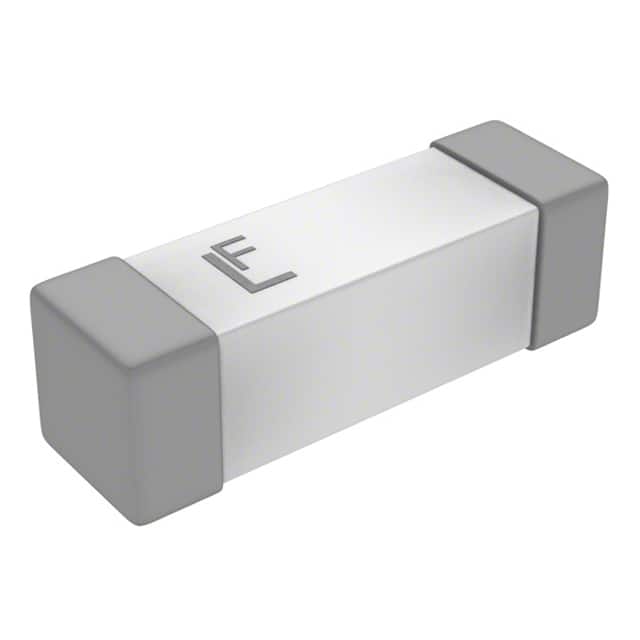
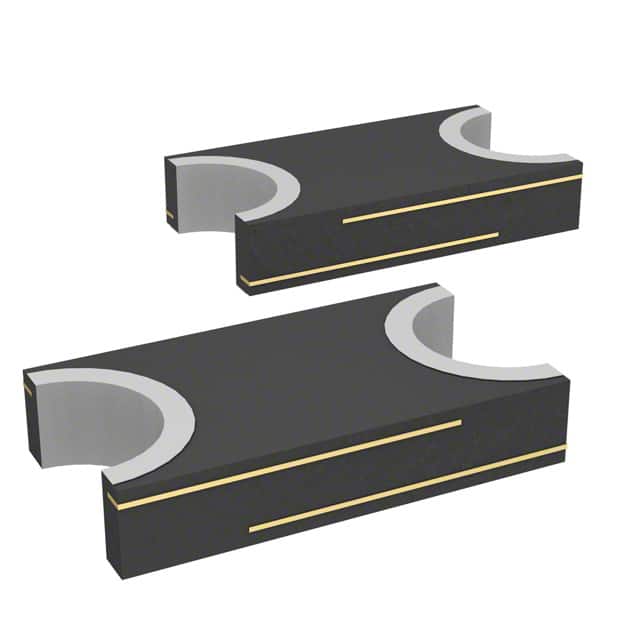
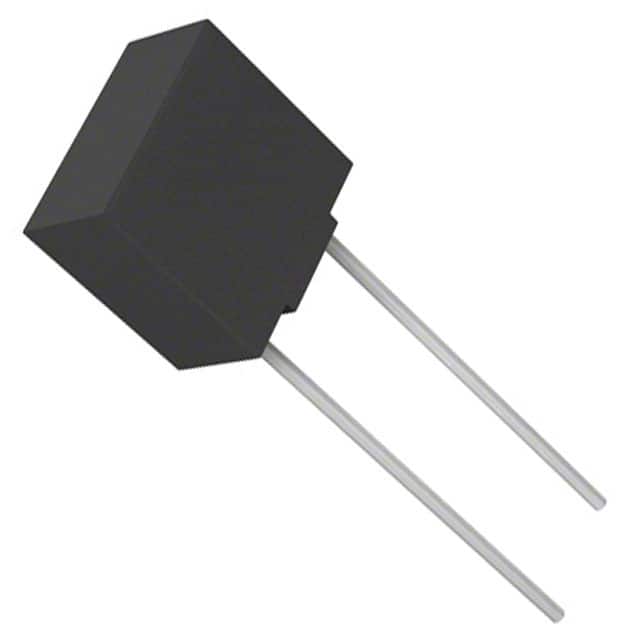
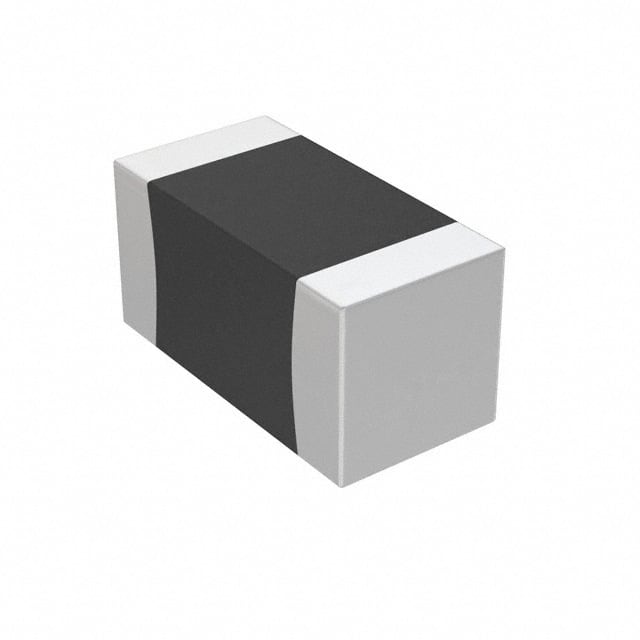
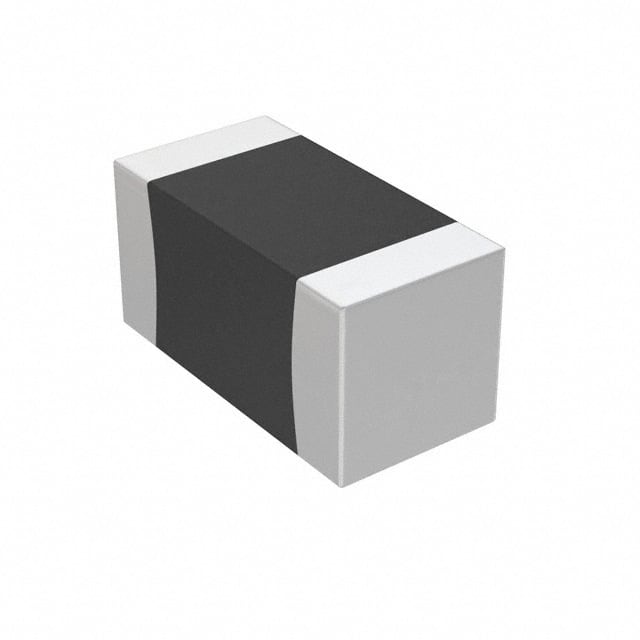
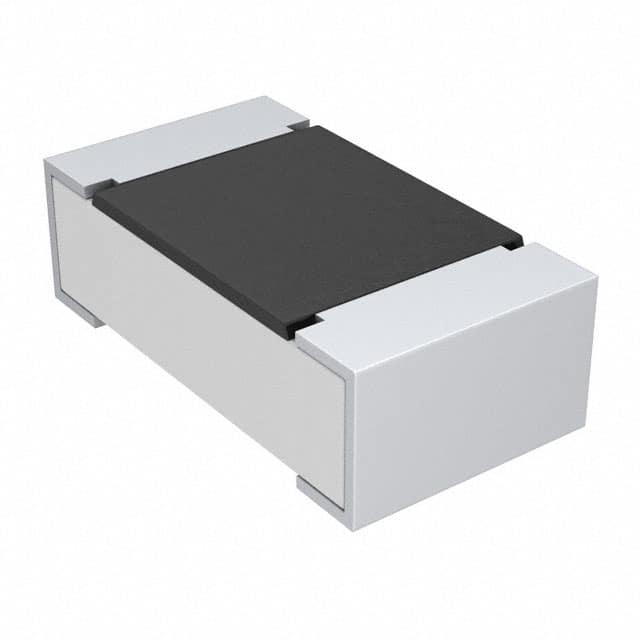
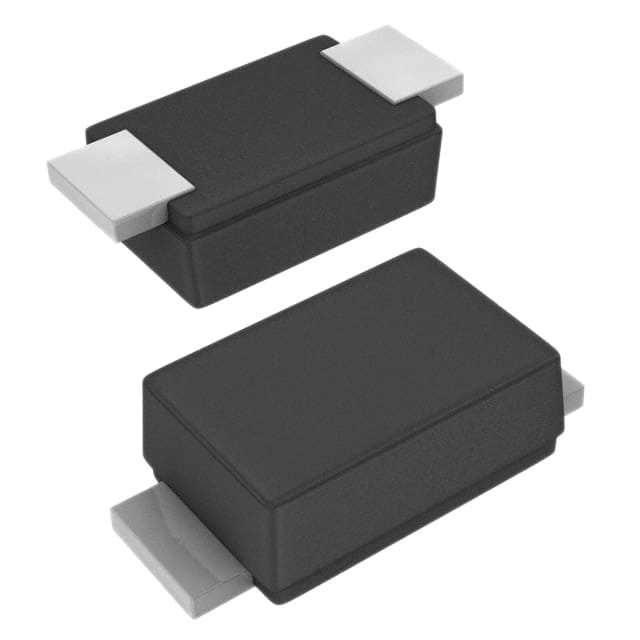
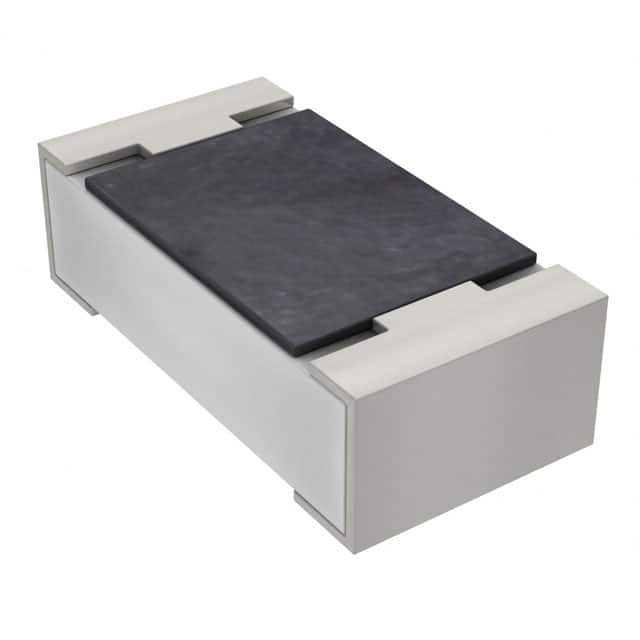
Fuses are one of the simplest yet most reliable circuit protection devices. A fuse consists of a thin wire that melts when current exceeds its safe limit, breaking off the circuit to stop further system damage.
Fuses are widely utilized in smaller, lower-cost circuits where simplicity and reliability are paramount. While effective, they must be replaced once they blow, which can become inconvenient should your system experience frequent overcurrent situations.
Advantages of Fuses
Fuses are simple, cost-effective, and quick to respond in overload situations, often faster than circuit breakers. They can interrupt high fault currents, especially high-rupture capacity (HRC) fuses, making them ideal for heavy-duty applications. Additionally, fuses are more compact, which is useful in space-limited environments.
Disadvantages of Fuses
Fuses are single-use, requiring replacement once they blow, which can lead to downtime and inconvenience. There's also the risk of incorrect replacement if the wrong fuse is used. Fuses can have slower response times to low-level overloads compared to circuit breakers, and they lack advanced protection features like ground fault or arc fault detection.
Circuit Breakers Are Smart Alternatives to Fuses

Circuit breakers are more advanced and reusable than fuses, using mechanical switches or electromagnetic mechanisms to detect overcurrent. When an overload occurs, a "trip" disconnects the circuit and stops electricity flow.
Circuit breakers provide several advantages over fuses when it comes to regular overcurrent events, their primary benefit being resetability when they trip. This makes circuit breakers an attractive solution that offers greater convenience.
Advantages of Circuit Breakers
Circuit breakers are reusable, allowing for easy resetting after an overcurrent condition, which reduces downtime and eliminates the need for replacements. They provide protection against both overloads and short circuits, and many modern breakers offer advanced features like GFCIs for shock prevention and AFCIs for arc fault detection, helping to reduce fire risks. Additionally, circuit breakers can be manually switched off for maintenance or troubleshooting. With the rise of smart circuit breakers integrated with IoT, remote monitoring and predictive maintenance are now possible, offering enhanced system management.
Disadvantages of Circuit Breakers
Circuit breakers tend to have a higher initial cost compared to fuses, especially for advanced types with added protection features. Their response time to very high overcurrents can be slightly slower than fuses in some cases. More complex circuit breakers, like GFCIs and AFCIs, may experience nuisance tripping, causing unnecessary power outages. They are also physically larger than fuses, which may be a concern in space-limited applications. Despite these drawbacks, their reusability and advanced protection features often make them the preferred choice in modern systems.
Selecting Fuses or Circuit Breakers: Which Fits Your Circuit?
Proper circuit protection is vital to maintaining safe and functional electrical systems. Both fuses and circuit breakers offer different levels of protection depending on what system type you're running; choosing which works best will depend on which systems are in use. Here, we briefly introduce all the main types of fuses and circuit breakers available so you can select one that best meets your needs.
Fuses are reliable devices that break off electricity flow when current exceeds safe levels, typically found in home electronics or small appliances. Glass tube fuses are commonly found in these settings and should be readily replaced once they become damaged or broken - though their replacement should remain affordable and simple should their fuse ever blow.
Cartridge fuses offer more excellent protection in heavier-duty systems. They are commonly found in industrial settings, with cartridge fuses often handling higher currents while taking up more space and needing special holders. However, blade fuses usually serve better in cars due to their smaller size and reliability, though these are limited circuits.
Thermally protected fuses offer extra safety by disconnecting the circuit if temperatures get too hot, and they are often used in hairdryers and kitchen appliances.
Circuit breakers provide a reusable option. The most widely-used breaker type is the thermal-magnetic type, which trips when current exceeds safe limits, protecting from overloads and short circuits. They're popularly used at homes and businesses and can easily be reset afterward.
GFCIs (Ground Fault Circuit Interrupters) provide extra safety in wet areas like bathrooms or kitchens where electrical shock could be an issue, while AFCIs (Arc Fault Circuit Interrupters) detect dangerous arcs in wiring, providing fire protection, especially in living areas with older wiring.
RCCBs (Residual Current Circuit Breakers) can also help protect workers against electric shock by detecting ground faults, offering extra safety in high-risk environments.
Short answer: fuses like glass tube and blade fuses are suitable for smaller circuits, while for more complex systems, thermal-magnetic breakers or specialty types like GFCIs and AFCIs may offer superior long-term protection. Recognizing your system's needs will enable you to select appropriate protection and ensure its continued safe functionality.
When Should You Opt For Fuses Over Circuit Breakers?
Ecting between fuses and circuit breakers depends on your electrical system's needs and specifications. Here are a few scenarios to help guide your decision:
Choose a fuse when: By:
Needing an affordable and straightforward solution.
Are You Working With a Low-Power Circuit?
You can replace a fuse when it blows.
Choose a circuit breaker if:
Needing an affordable long-term solution, the key to your success lies in its reusability.
Do you experience regular overcurrents or overloads?
Your preference lies with resetting rather than replacing.
Fuse and circuit breakers offer excellent protection for electrical circuits. By understanding their functions and when to employ them, you can select the optimal option to ensure your systems' safe, reliable, and cost-efficient performance.
Conclusion
Fuses and circuit breakers are integral to protecting electrical systems, each serving specific purposes. Fuses may be suitable for low-power applications, while circuit breakers offer more excellent protection in larger or more frequently utilized systems; additionally, GFCI and AFCI devices offer added shockproofing protection and firefighting abilities for added peace of mind in your electrical setup. Choosing the appropriate protection helps ensure safety and efficiency when designing any electrical setup.