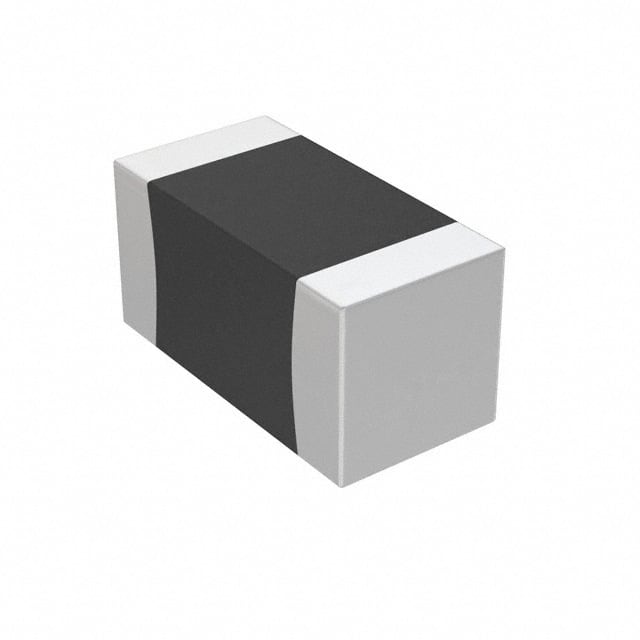
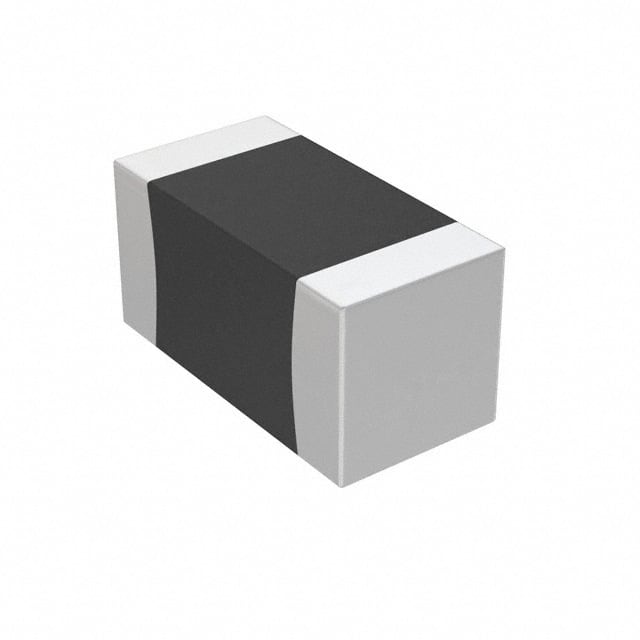
An AC capacitor is an essential component in the functioning of an air conditioning unit.
It acts as a temporary storage device for electrical energy, providing a boost to start the compressor or fan motor.
While it may seem like a small and simple part, without a properly functioning capacitor, the entire air conditioning system can fail to operate efficiently.
The capacitor allows the motor to start with enough power to overcome inertia and begin running, and it also ensures the motor continues to run smoothly during operation.
In essence, an AC capacitor helps provide the energy required to jumpstart the motor and sustains it to run continuously during the cooling cycle.
Without it, your air conditioner would not be able to properly cool your space, as the motor would struggle or fail to operate.
How Does an AC Capacitor Work?

At its core, an AC capacitor stores electrical energy in an electrical field.
This stored energy is then released at the precise moment when the motor requires it most, such as during startup or when energy is needed to maintain its operation.
There are two primary types of capacitors in air conditioning systems: start capacitors and run capacitors.
The start capacitor provides a quick burst of energy to the motor when the AC unit is first turned on.
Once the motor reaches a certain speed, the start capacitor's role is complete, and it disengages.
In contrast, the run capacitor stays in the circuit while the motor is running, continuously supplying energy to keep the motor running efficiently.
Without a properly functioning start capacitor, the motor would struggle to begin its cycle.
If the run capacitor fails, the motor would still start but would likely experience increased wear, inefficient operation, and potentially overheating.
also read: AC Capacitor Wiring Colors: The Key to Safety and Efficiency
Types of Capacitors in an Air Conditioner
In many air conditioning systems, you’ll find two types of capacitors: start capacitors and run capacitors.
Start capacitors are used to provide the initial energy surge required to start the motor.
Once the motor begins running, the start capacitor’s job is done, and it is disconnected from the circuit.
Run capacitors, on the other hand, remain active throughout the motor’s operation, continuously providing energy to keep the motor running smoothly.
Some air conditioning systems use dual capacitors, which combine both start and run capacitor functions into one unit.
These dual capacitors are compact and help simplify the design of the system, but their function is essentially the same as having separate start and run capacitors.
The presence of a dual capacitor does not change the fact that both types of capacitors are crucial for the effective operation of the air conditioning system.
Signs of a Faulty AC Capacitor
If the capacitor in your air conditioning unit starts to fail, several symptoms can appear.
One of the most noticeable signs is that the AC unit fails to start properly.
You may hear a humming or buzzing sound, but the motor will not turn on or start its cooling cycle.
This happens because the start capacitor is no longer able to provide the initial surge of energy needed to get the motor moving.
Another common symptom is strange noises coming from the unit, such as clicking, buzzing, or a humming sound that doesn’t stop.
These sounds typically mean that the capacitor is struggling to provide consistent power to the motor.
If your AC is running but not cooling properly, this may also be due to a failing run capacitor.
When the run capacitor fails, the motor does not receive a steady supply of energy, leading to inefficient operation and reduced cooling power.
If your air conditioner is shutting off unexpectedly or frequently, this could also indicate a capacitor failure, as the motor cannot maintain a steady flow of energy.
What Happens When an AC Capacitor Fails?
When an AC capacitor fails, the motor is unable to receive the necessary surge of energy to start or run properly.
A failed start capacitor will prevent the motor from starting, meaning your air conditioner will not cool your space at all.
A failed run capacitor does not prevent the motor from starting, but it can cause the motor to run inefficiently, leading to overheating.
An inefficiently running motor wastes more energy, causing your electricity bills to rise significantly.
Over time, this increased strain can cause the motor to burn out entirely, requiring a costly motor or compressor replacement.
Additionally, when the motor struggles due to a failed capacitor, it can put stress on the entire system, leading to further damage to other parts of the AC unit.
The longer you allow a failed capacitor to go unaddressed, the more likely it is that the failure will result in more expensive and widespread damage.
Where is the AC Capacitor Located in My AC Unit?
The location of the capacitor varies based on the design of your air conditioning system, but in most cases, it is found near the motor or compressor.
Typically, the capacitor is housed in the air handler or the outdoor unit, depending on the system configuration.
In some models, the capacitor will be mounted directly on the side of the compressor or on a bracket near the motor.
The capacitor is often a cylindrical component that may be covered with a protective casing.
If you’re not sure where the capacitor is located, it is best to consult your air conditioner’s user manual or seek help from a professional.
Before handling the capacitor, always ensure that the power is turned off to prevent any electrical hazards.
Capacitors can store energy even after the system has been powered off, so it is essential to discharge the capacitor safely before handling it.
Diagnosing a Faulty AC Capacitor
Diagnosing a faulty capacitor typically begins with a visual inspection.
Check for any physical damage such as bulging, leakage, or burn marks on the capacitor.
A swollen capacitor is a sure sign that it needs replacing.
Next, you can use a multimeter to test the capacitor’s capacitance.
Set the multimeter to the capacitance setting and compare the reading with the capacitor's rated value.
If the reading is much lower than the rating, the capacitor is likely defective and must be replaced.
If you don’t have the tools or experience to conduct this test, it’s a good idea to call a professional technician.
The technician can quickly test the capacitor and determine whether it needs to be replaced.
Attempting to test or replace the capacitor without the proper tools can result in injury or further damage to the system.
What to Do When an AC Capacitor Fails?
When your AC capacitor fails, it’s important to replace it as soon as possible to avoid further damage.
If you feel comfortable with electrical systems, you can attempt to replace the capacitor yourself.
Ensure you purchase the correct replacement capacitor that matches the specifications of the original part.
Before beginning the replacement, discharge the capacitor by shorting its terminals with a screwdriver to avoid electrical shock.
If you're not experienced with working around electrical systems, hiring a professional is your safest option.
A trained HVAC technician can replace the capacitor safely and ensure the system is running optimally.
Replacing the capacitor early can prevent additional strain on the motor, helping to avoid more expensive repairs in the future.
Costs of Replacing an AC Capacitor
The cost to replace an AC capacitor generally ranges from $100 to $400, depending on the type and model of your air conditioner.
If you decide to replace the capacitor yourself, you’ll save money on labor costs, but you will still need to purchase the part.
Labor costs for a professional technician typically range from $75 to $150 per hour, depending on your location and the complexity of the replacement.
Replacing the capacitor yourself can save you money, but it’s essential to ensure that you’re using the correct part and following all necessary safety precautions.
In some cases, a failed capacitor can cause further damage to the motor or compressor, resulting in significantly higher repair costs.
Promptly replacing a faulty capacitor can help prevent these more extensive and costly repairs, saving you money in the long run.
Preventive Maintenance Tips for AC Capacitors
To prevent capacitor failure, regular maintenance is key.
Schedule an annual inspection with a professional HVAC technician to check the condition of the capacitor and other critical components.
A technician will inspect the capacitor for signs of wear, bulging, or other issues that may indicate impending failure.
Keeping the area around the AC unit clean and free of debris can also help prevent capacitor failure.
Dirt and dust accumulation can cause the capacitor to overheat, reducing its efficiency and lifespan.
Additionally, consider monitoring your system’s performance regularly.
If you notice unusual noises, reduced cooling capacity, or other irregularities, it’s important to have the system checked immediately.
By staying proactive and addressing issues early, you can extend the life of your air conditioning system and avoid costly repairs.
Benefits of a Properly Functioning AC Capacitor
When your AC capacitor is functioning correctly, your air conditioner operates at peak efficiency.
The motor runs smoothly, which reduces energy consumption and lowers your electricity bills.
With a healthy capacitor, your AC unit will cool your home more effectively and efficiently, keeping you comfortable during hot weather.
The proper operation of the capacitor also helps extend the lifespan of your entire air conditioning system.
By reducing the strain on the motor and compressor, the system operates with less wear and tear.
This translates into fewer breakdowns and repairs, as well as a longer-lasting system that provides consistent cooling performance.
Conclusion
An AC capacitor plays a critical role in the efficient operation of your air conditioning system.
By understanding how the capacitor works and recognizing the signs of failure, you can avoid costly repairs and maintain your system’s efficiency.
Regular maintenance and early detection of issues can prevent larger problems down the line.
Ultimately, keeping your capacitor in good working condition is essential to ensuring your air conditioner runs smoothly and lasts for years to come.