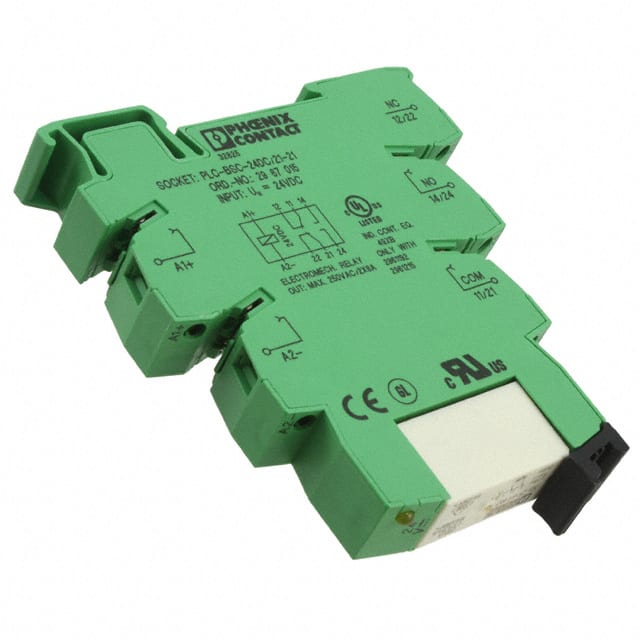
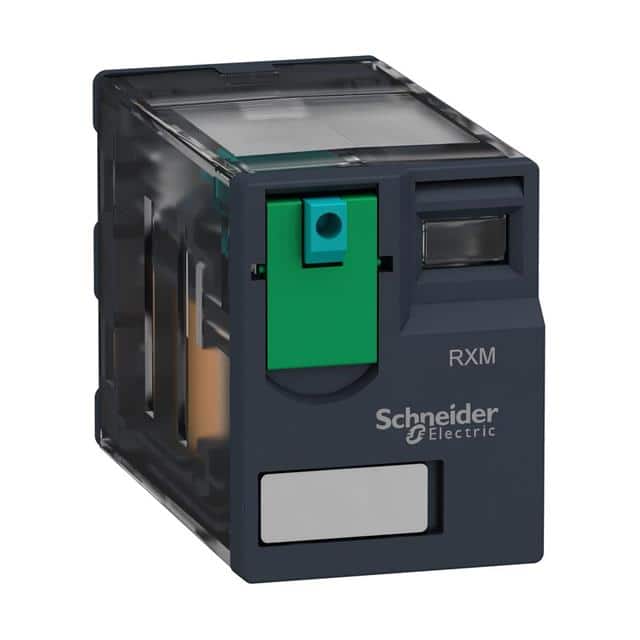
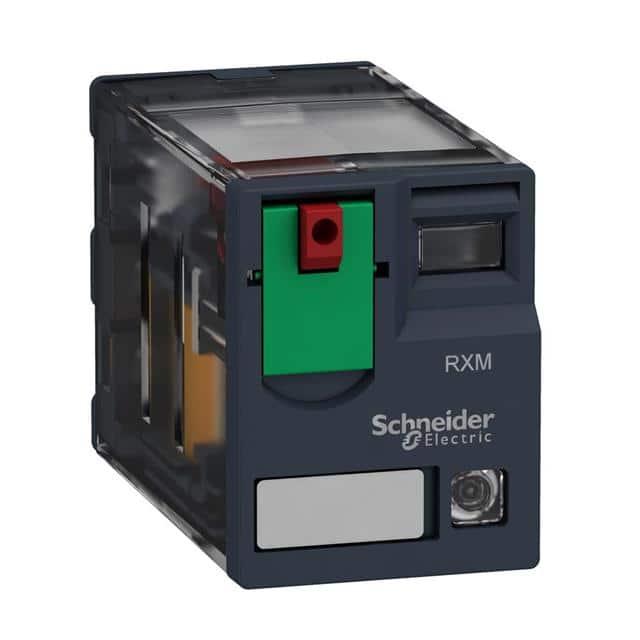
Relays are essential components in electrical and electronic control systems. Understanding the differences between relay types—particularly signal relays and power relays—is critical when designing or supplying control hardware.
Using the right relay improves reliability, simplifies maintenance, and ensures compatibility across multiple applications. This guide will help clarify the technical and practical distinctions between signal and power relays, and provide actionable advice on selecting the best option for your needs.
What is a Relay?
A relay is an electromechanical switch that opens or closes a circuit using an electromagnetic coil to actuate contacts. When voltage is applied to the coil, it generates a magnetic field that moves the internal switching mechanism, connecting or disconnecting the contacts. This allows a low-power control signal to safely switch a higher-power load.
What is a Signal Relay?

Signal relays are compact relays designed for switching low-level electrical signals. They typically handle currents up to 2A and are used where precision and reliability in signal transmission are essential.
Key features include:
Small form factor, suitable for PCB mounting
Gold-plated or bifurcated contacts for low contact resistance
Fast switching speed and low power consumption
Common Applications:
Communication equipment
Measurement and test instruments
Security systems
Audio/video signal routing
What is a Power Relay?

Power relays are built to control larger loads, often handling currents from 10A to 30A or more. They feature robust contacts made from silver alloys to handle high inrush and continuous current without degradation. These relays are physically larger and come in a variety of mounting formats.
Key Characteristics:
Designed for switching AC or DC power circuits
Strong, arc-resistant contact materials
Often used in high-load environments
Common Applications:
Industrial equipment
Motor control circuits
HVAC systems
Household appliances
Signal vs Power Relay: Side-by-Side Comparison
| Feature | Signal Relay | Power Relay |
|---|---|---|
| Switching Capacity | Low (typically < 2A); suitable for analog and digital signals | High (typically 10A–30A+); ideal for motors, lights, heaters |
| Size & Mounting | Compact, lightweight, often through-hole or SMD for PCB use | Larger footprint, may use PCB or screw terminal mounting |
| Contact Type | Gold-plated, bifurcated contacts for clean, low-current switching | Silver alloy, arc-resistant contacts for durability under load |
| Coil Power Consumption | Low coil drive requirements (mW level) | Higher coil current draw (up to several hundred mW or more) |
| Switching Speed | Fast (typically <10ms) | Moderate (typically 10–20ms) |
| Contact Bounce | Minimal, important for signal integrity | Present but tolerable in power switching |
| Mechanical Life | High (millions of cycles) in low-load conditions | Moderate to high, depending on load and contact wear |
| Electrical Life | Shorter under heavy load; ideal for small signals | Longer under rated load conditions |
| Isolation Capability | Higher coil-to-contact isolation (ideal for sensitive circuits) | Moderate; sufficient for power domains |
| Cost | Lower cost due to smaller size and simpler specs | Moderate to higher, depending on current and features |
| Common Voltages | 5V–24V DC, up to 125V AC | 12V–24V DC coils; switching 120–250V AC or 30V+ DC |
| Environmental Tolerance | Less tolerant to dust, vibration, and extreme heat | Designed for harsh conditions (industrial-grade variants) |
Additional Insights:
Signal relays are often hermetically sealed to protect contact integrity from oxidation, which is critical in high-reliability signal paths.
Power relays may include features like arc suppression, thermal protection, or even built-in snubber circuits depending on application demands.
The difference in switching material—gold for signals and silver for power—is a direct result of optimizing for conductivity vs durability.
From a maintenance standpoint, signal relays generally require fewer replacements due to lower stress, whereas power relays should be periodically inspected for pitting and wear in high-load cycles.
Real-World Use Case Examples
Signal Relay Use Cases
Signal relays are ideally suited for low-current, high-precision applications where signal integrity and fast switching are priorities.
Telecommunication Systems: Used to route voice and data signals through switching networks, where low signal loss and high reliability are crucial.
Medical Diagnostic Equipment: Enable accurate signal control in ECG machines, patient monitors, and imaging devices without introducing interference.
Instrumentation and Testing: Ideal for switching sensors or test inputs in logic analyzers, oscilloscopes, and multimeters.
Security Systems: Provide contact isolation for detectors and sensors in alarm panels where small currents and voltages are the norm.
Power Relay Use Cases
Power relays are critical for safely switching higher power loads where durability and contact integrity under stress are required.
Industrial Automation: Used to control motors, pumps, and conveyors in PLC-controlled environments with frequent switching.
HVAC Units: Engage or disengage compressors, fans, and heating elements while withstanding repeated inrush currents.
Home Appliances: Found in washing machines, microwaves, and refrigerators to control high-power loads reliably and cost-effectively.
Building Automation: Switch lighting circuits, automated window blinds, and power sockets through centralized control systems.
Stocking Popular Relay Models: Practical Considerations
Choosing relay models that are widely used and well-documented offers multiple advantages. Standardized, general-purpose relays help streamline procurement, as they are more likely to be available across multiple suppliers. This reduces the risk of delays due to component shortages. Additionally, using common models simplifies inventory management and makes it easier to provide replacements or fulfill urgent customer requests without needing custom parts.
Popular relay families often come with a range of coil voltages, contact configurations, and mounting options, making them flexible choices for supporting diverse customer needs with minimal stock variety.
Recommended models:
Signal: Omron G6A, Panasonic TX-S series
Power: Omron MY2, Panasonic JQX-115F, Songle SRD series
Common Mistakes to Avoid
Using signal relays for power loads: This can lead to overheating, arcing, and eventual failure.
Overspecifying power relays for signal tasks: Increases cost and may introduce unnecessary signal noise.
Ignoring contact ratings: Always verify current and voltage specs match the load requirements
Conclusion
Understanding the differences between signal and power relays helps ensure optimal component selection, whether for design, integration, or resale. Choosing the right type reduces failure risk, simplifies inventory, and meets application-specific performance needs. When in doubt, check load requirements and consult relay datasheets to make an informed decision.